Professional antenna solutions

Premium Radio & Communication Antennas by Larsen

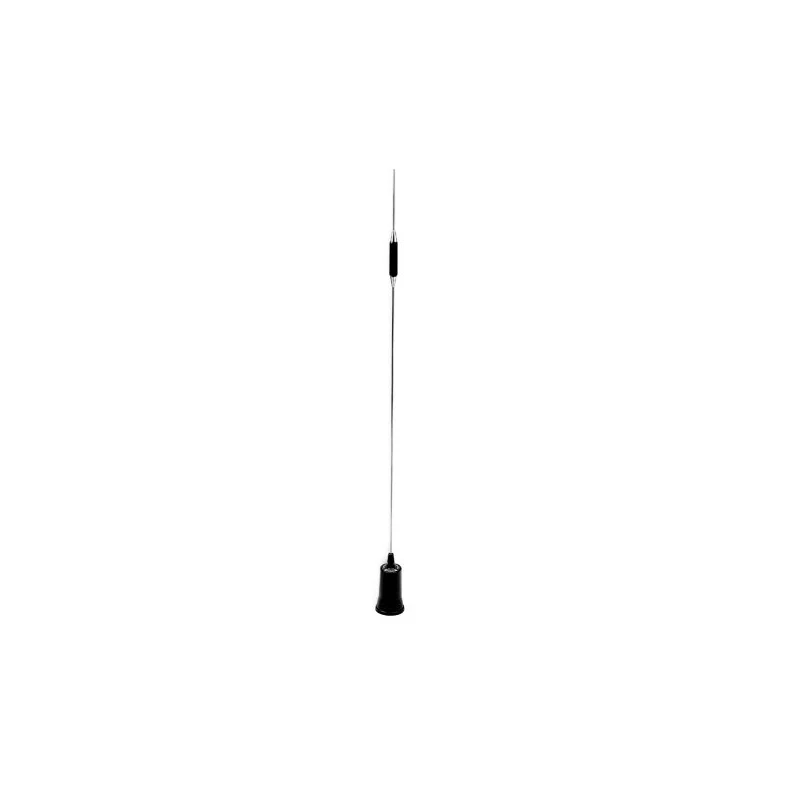
Larsen Antenna has established itself as a trusted manufacturer of high-performance communication antennas, serving professionals and enthusiasts across North America. With decades of engineering expertise, the brand specializes in dual-band, tri-band, and specialized frequency solutions designed for demanding RF environments.

Explore Antenna Options
Larsen Antenna Antennas

Best-Selling Larsen Antenna Solutions

These best-selling models represent the core of Larsen Antenna's portfolio, trusted by communication professionals.

Tri-Band NMO Mount Antenna Larsen Antenna Antennas

Tri-Band NMO Mount Antenna

This compact tri-band antenna combines 450 MHz, 800 MHz, and additional frequency coverage in a single NMO-mount unit. Perfect for mobile operators requiring multi-band capability without roof congestion.

View Specifications
Wideband Hole Mount Antenna Larsen Antenna Antennas

Wideband Hole Mount Antenna

A versatile broadband solution spanning 0-6 GHz with direct panel mounting capability and connector-free design. Ideal for applications requiring extended frequency coverage across scanning and monitoring systems.

View Specifications
Dual-Band VHF UHF Antenna Larsen Antenna Antennas

Dual-Band VHF UHF Antenna

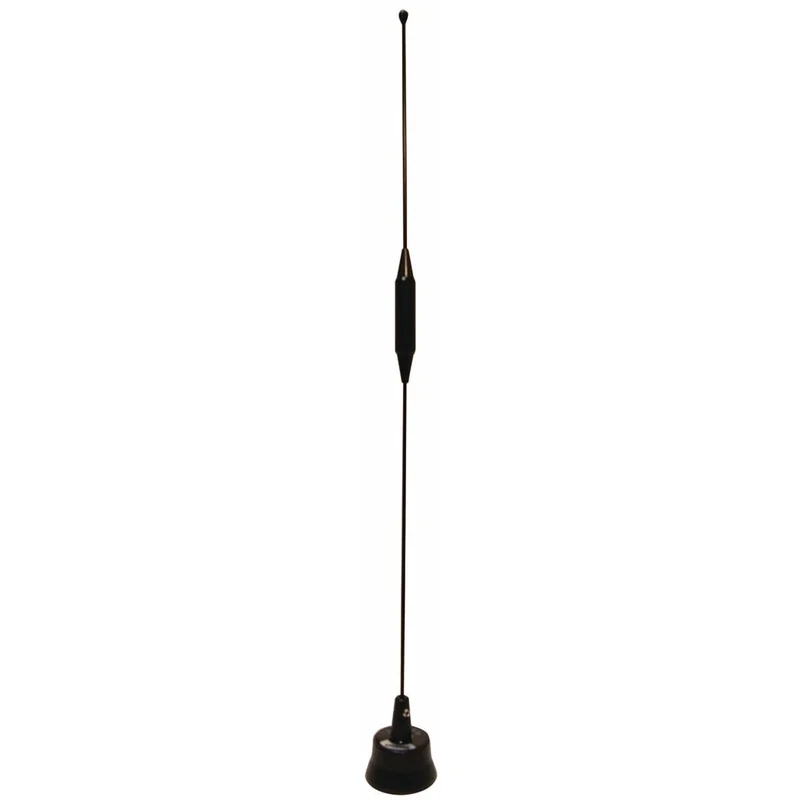
This 37.25-inch dual-band antenna covers 144-148 MHz and 440-450 MHz ranges with excellent gain characteristics. Popular among amateur radio operators and emergency communications for its proven vertical radiation pattern.

View Specifications
Low Profile UHF Transit Antenna Larsen Antenna Antennas

Low Profile UHF Transit Antenna

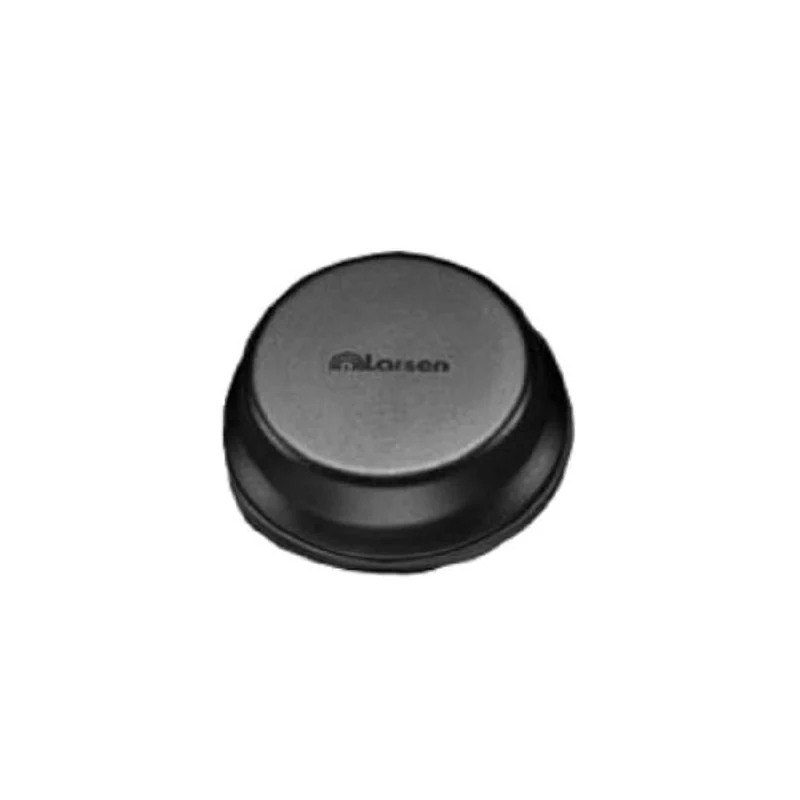
Designed for vehicles requiring discreet antenna installation, this 450-470 MHz Mirage antenna offers low-visibility profile with professional performance in transit and commercial mobile applications.

View Specifications

About Larsen Antenna

Each antenna is built with premium materials and precision construction to ensure optimal signal reception and transmission across critical frequency ranges. Larsen Antenna products are engineered for reliability in mobile communications, amateur radio, and professional applications where performance cannot be compromised.

Top-Performing Antenna Models

Explore Larsen Antenna's diverse lineup organized by frequency band and application type.

Tri-Band Antennas

Tri-band antennas from Larsen deliver simultaneous coverage across three distinct frequency ranges, making them ideal for operators who need comprehensive communication capability in a single installation. These antennas are engineered with advanced matching networks to maintain consistent performance across all bands without requiring multiple units.

Dual-Band Antennas

Dual-band antenna systems provide efficient operation across two separate frequency bands, offering a balance between coverage and simplicity. Larsen's dual-band designs are particularly popular in mobile and base station applications where VHF and UHF coordination is essential.

UHF Communications Antennas

Specialized UHF antennas from Larsen target the 450-470 MHz band with low-visibility profiles and compact mounting options. These units are designed for transit systems, emergency services, and commercial operations requiring discreet installation without sacrificing performance.

VHF Frequency Solutions

VHF antennas in the 144-148 MHz range deliver reliable coverage for amateur radio, marine communications, and fixed installations. Larsen's VHF offerings combine classic design principles with modern engineering for optimal vertical radiation patterns.

Broadband Antenna Systems

Broadband antennas spanning 0-6 GHz provide wide-spectrum reception capabilities for applications requiring extended frequency coverage. These systems are suitable for receivers, scanning, and specialized RF monitoring where frequency agility is critical.

NMO Mount Antennas

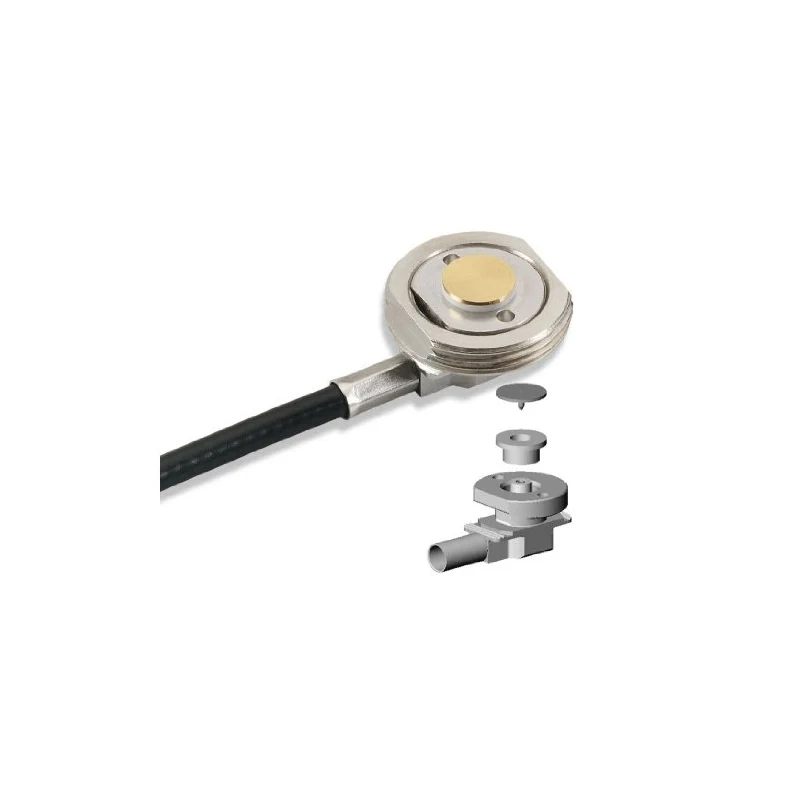
NMO (New Mobile Omnigibus) mounting antennas represent the industry standard for mobile installations, offering quick-disconnect capability and reliable grounding through the vehicle roof connection. Larsen's NMO-mount products simplify installation while maintaining professional-grade performance.

Larsen Antenna Antennas
Larsen Antenna
Larsen Antenna Antennas

Why Choose Larsen Antenna

Larsen Antenna has earned its reputation through consistent performance and engineering excellence.

Larsen Antenna stands apart through engineering precision and practical reliability.

Professional Engineering

Decades of RF design expertise ensure every antenna delivers optimal performance across its specified frequency bands.

Durable Construction

Heavy-duty materials and sealed connections withstand demanding environmental conditions and years of continuous operation.

Consistent Signal Quality

Precise impedance matching and gain characteristics provide reliable transmission and reception in critical communication scenarios.

Our Commitment to Excellence

These principles guide every antenna Larsen designs and manufactures.

Performance without compromise in critical communications
Engineering that prioritizes reliability over cost-cutting
Transparency in antenna specifications and capabilities
Support for both professional and enthusiast operators
Commitment to proven design principles
Long-term durability and minimal maintenance requirements

Customer Experiences

Real users share their experiences with Larsen Antenna systems in demanding RF environments.

I've integrated Larsen Antenna systems into our county emergency dispatch for over five years, and the consistency has been exceptional. The tri-band NMO units we installed handle the simultaneous VHF, 800 MHz, and secondary frequency requirements that our operation demands without any performance degradation. What impressed me most was the installation simplicity—the NMO mount design allowed our technicians to complete the roof installations in a fraction of the time compared to older threaded systems. We've monitored signal strength metrics weekly, and there's virtually no variation across seasons or weather conditions. The antenna's broadband matching ensures clean transmission regardless of whether we're operating emergency services, administrative traffic, or the backup frequency bands. I've recommended Larsen to neighboring counties, and they've reported identical reliability. This is the antenna platform I trust when lives depend on clear communications.

James Mitchell

James Mitchell

Emergency Communications Coordinator

As someone who operates a permanent home station for amateur radio and emergency net participation, I needed an antenna that could handle both the 2-meter and 70-centimeter bands simultaneously. The Larsen dual-band antenna has exceeded my expectations in ways I didn't anticipate. Not only does it perform excellently on both VHF and UHF frequencies, but the 37-inch height provides remarkable gain without requiring the massive tower installation I initially considered. I've run signal reports from operators across our region, and consistently receive feedback that my transmitted signal is clean and strong. The antenna weathered two winters of heavy snow, ice, and wind without any performance loss or physical degradation. Installation was straightforward, and the stainless steel hardware has shown no corrosion. Compared to budget alternatives I tested before purchasing, Larsen's engineering is simply on another level. I've already ordered a second unit for a remote outpost location.

Sarah Chen

Sarah Chen

Amateur Radio Enthusiast

Managing a fleet of thirty mobile units requires antenna systems that perform consistently regardless of vehicle type or mounting configuration. Larsen's NMO-mount antennas have become our standard specification because of their reliability and performance across our diverse vehicle fleet. Whether mounted on sedans, vans, or trucks, the antenna pattern remains predictable, and field teams report clear signal quality throughout our service area. The quick-disconnect capability has proven invaluable during vehicle maintenance—technicians can remove and reinstall without any recalibration or performance loss. Over three years of operation, we've had essentially zero antenna-related downtime, which significantly reduces our service costs. The engineering that goes into these antennas is evident in how they perform under real-world conditions with constant thermal cycling and vibration. I've presented Larsen as our preferred vendor to other fleet operators in our industry, and several have made the switch based on our documented performance metrics.

Marcus Robinson

Marcus Robinson

Fleet Operations Manager

Antenna Questions Answered

Find answers to common questions about Larsen Antenna specifications, installation, and performance.

What is the difference between NMO mount and direct connector antennas?
NMO (New Mobile Omnigibus) mounting provides a standardized quick-disconnect system that mounts through a vehicle roof with a coaxial connection established at the mount point. Larsen Antenna's NMO units offer the advantage of tool-free antenna removal for maintenance or replacement, while maintaining a consistent grounding path through the vehicle structure. Direct connector antennas, by contrast, feature integral connectors that attach directly to radio equipment, eliminating the need for separate mounting hardware but sacrificing the convenience of quick-disconnect capability. For mobile applications where frequency changes or equipment upgrades are anticipated, NMO mounts provide superior flexibility.
How do dual-band antennas achieve coverage on two frequencies simultaneously?
Larsen Antenna's dual-band designs utilize carefully engineered impedance matching networks that allow a single radiating element to operate efficiently across two distinct frequency bands. By incorporating tuning networks that account for the electrical characteristics of both the VHF (144-148 MHz) and UHF (440-450 MHz) ranges, these antennas maintain consistent gain and low VSWR across both bands without requiring separate elements. This approach is different from simply stacking two independent antennas, as Larsen's integrated design reduces physical size, roof congestion, and installation complexity while delivering performance that rivals dedicated single-band systems in most operational scenarios.
What environmental conditions can Larsen Antenna systems withstand?
Larsen Antenna products are engineered with materials and construction methods designed to endure demanding environmental exposure including extreme temperature variations, UV radiation, salt spray, ice accumulation, and continuous vibration from mobile applications. The stainless steel hardware and sealed connector designs resist corrosion in coastal and industrial environments where standard antennas might deteriorate within a few years. Extended testing of Larsen systems in harsh climates demonstrates minimal performance degradation over decades of service, making them particularly suitable for permanent installations, emergency services vehicles, and remote locations where antenna replacement is logistically challenging.
How do I know which Larsen Antenna model matches my frequency requirements?
Larsen Antenna identifies each model by its frequency band coverage, typically expressed in megahertz ranges such as 144-148 MHz for VHF, 440-450 MHz for UHF, or broader ranges for tri-band and wideband systems. Before selecting a model, verify your radio equipment's operating frequency specifications and ensure the antenna covers your primary frequencies plus any backup bands your operation requires. Tri-band models like the NMO150-450-800 provide maximum flexibility by consolidating three frequency ranges into a single installation, reducing the need for multiple antennas. Consulting the detailed specification sheets helps ensure optimal impedance matching and gain characteristics for your specific application.
What is the typical installation process for a Larsen Antenna?
Installation procedures vary by antenna type and mounting configuration. NMO-mount antennas require drilling a hole through the vehicle roof (typically 7/8 inch) and fastening the mount base with the supplied hardware, then simply pushing the antenna onto the mount until it seats firmly. This tool-free process takes approximately 15-30 minutes for experienced installers and requires no coaxial cable modifications or re-tuning. Hole-mount antennas follow a similar process but mount directly through panel cutouts without requiring roof penetration. Base station installations may require more involved mounting hardware assembly, but Larsen's engineering ensures that once physically installed, no electrical tuning or adjustment is necessary—performance is optimized through the antenna's internal matching networks.
Why is impedance matching important in Larsen Antenna systems?
Impedance matching between the antenna and radio equipment ensures maximum power transfer from the transmitter to the radiating element and optimal reception sensitivity on receive frequencies. Larsen Antenna's engineered matching networks maintain proper impedance across the antenna's frequency band, resulting in low VSWR (voltage standing wave ratio) readings that indicate efficient operation. Poor impedance matching creates reflections that waste transmitter power, reduce effective radiated power, and can potentially damage radio equipment over time. Larsen's precision tuning networks account for the complex electrical environment of mobile installations and multi-frequency operations, ensuring that whether transmitting or receiving, the antenna performs at its rated specifications without requiring field adjustments or external tuning devices.

Ready to Find Your Perfect Antenna?

Explore Larsen Antenna's complete selection of professional-grade communication antenna systems tailored for your frequency requirements and installation environment. Discover why communication professionals choose reliability and engineering excellence.

Discover the Collection